Toronto top Residential Electrician Delivering Reliable Electrical Solutions
Why Hiring a Residential Electrician Is Crucial for Home Safety!
Retaining a residential electrical professional is necessary for safeguarding home safety. Countless occupants diminish the complexities of power infrastructure. DIY projects can generate serious threats, like fire hazards or electrical contact. Licensed electrical technicians supply necessary competencies, confirming adherence to local standards and safety requirements. The outcomes of circumventing proper electrical work can be grave. Understanding the importance of expert support can generate a notable change in home safety. What specific rewards can these specialists offer?
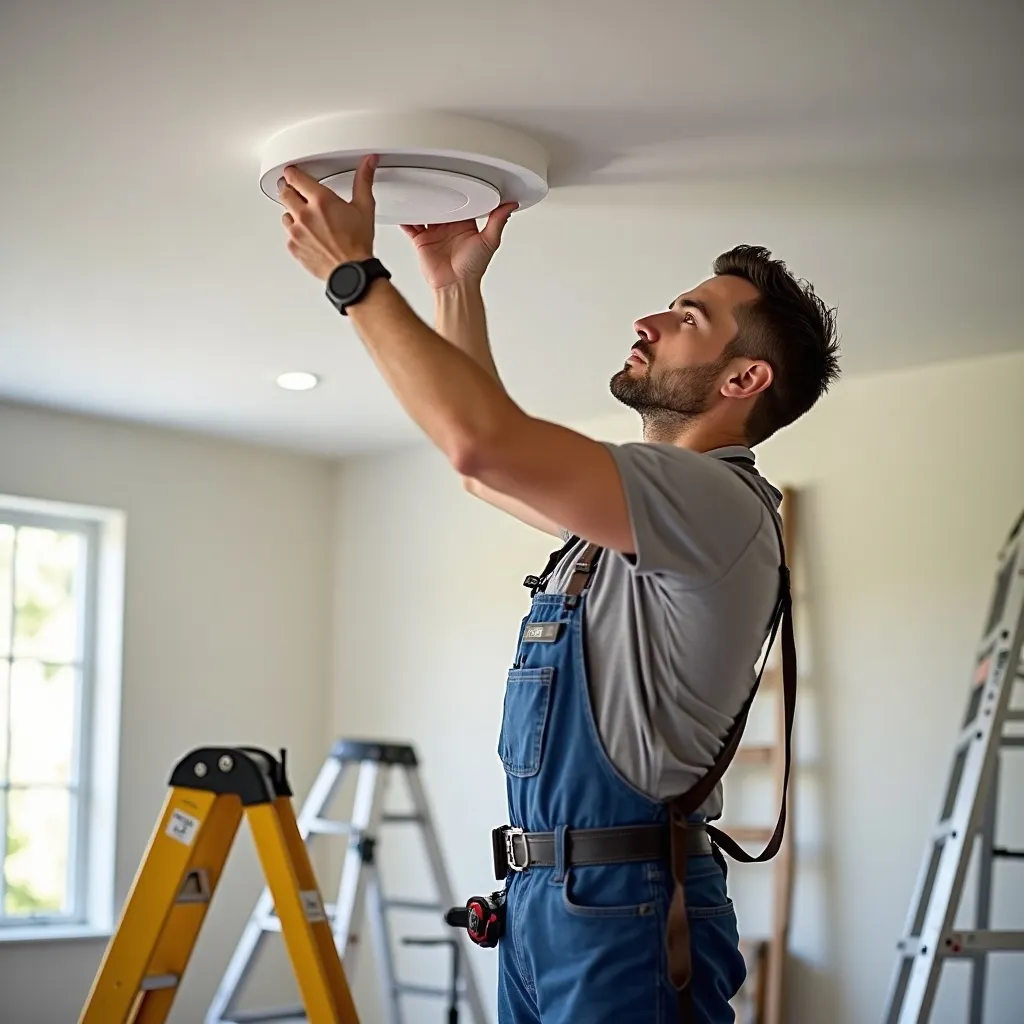
Grasping the Dangers of DIY Electrical Installations
Performing do-it-yourself electrical projects might look attractive for house owners seeking to cut expenses, however it involves substantial risks. Many folks underestimate the complexity of electrical systems, often producing improper repairs or installations. This deficiency in expertise may cause electrical malfunctions, blazes, or shock hazards, endangering both the occupant and their property.
In addition, DIY work might not satisfy local building codes, possibly leading to legal complications or costly fines.
Furthermore, without the proper tools and safety equipment, homeowners may expose themselves to hazardous situations. Even seemingly simple tasks, such as replacing a light fixture, can have unforeseen complications if not executed correctly.
The possibility of sustained harm to the home's electrical system is also a worry.
The Skills That Protects Your Home Secure
For home security, the expertise of a residential electrician stands paramount.
They carry out comprehensive safety checks, making sure all systems are operating as intended and adhere to regulatory standards.
Moreover, their knowledge of code compliance and skilled repair abilities avert potential threats before they become serious issues.
Full-Scale Security Examinations
A comprehensive safety inspection executed by a licensed residential electrician is crucial for keeping a safe home setting. During this procedure, electricians evaluate electrical systems, electrical outlets, and electrical panels to uncover potential hazards.
They check for outdated components that may pose fire risks or cause electrical failures. Additionally, they evaluate the grounding and bonding systems to ensure they meet safety standards.
By identifying problems such as overloaded circuits or faulty wiring, electricians provide homeowners with actionable insights to reduce risks. These inspections not only improve safety but also boost energy efficiency, potentially reducing utility bills.
Ultimately, regular safety assessments protect both the home and its occupants, ensuring a stable electrical system that functions smoothly.
Code Adherence Assurance
Code compliance assurance plays a vital part in ensuring the safety and dependability of residential electrical systems.
Expert electricians demonstrate proficiency of local, state, and national electrical codes, which are established to keep homeowners from conceivable threats. These codes integrate various aspects, such as wiring methods, circuit protection, and grounding techniques, all fundamental for safe operation.
By complying with these regulations, electrical professionals reduce the threat of fire hazards, shock hazards, and equipment failure. Moreover, adherence to code is typically a necessity for homeowner's insurance and can influence property value.
Homeowners who invest in a licensed electrician ensure that their electrical installations meet required regulations, delivering peace of mind and a more secure home.
Advanced Repair Techniques
Electrical systems might run into problems despite observing safety codes. When difficulties surface, expert diagnostic skills become imperative.
Residential electricians possess specialized training and experience that allow them to detect problems quickly, often before they escalate into serious hazards. Their ability to analyze complex wiring systems and diagnose issues ensures that homeowners are not left in the dark—literally and figuratively.
These qualified professionals utilize sophisticated tools and techniques to discover electrical problems, whether it's a flickering light or a tripped breaker. By fixing these issues right away, they not only get things working again but also enhance the overall protection of the home.
In the end, depending on a professional electrician for problem diagnosis is a preventive measure toward safeguarding both residents and property.
Selecting the Ideal Residential Electrician
Selecting the right home electrical contractor demands careful consideration of multiple important criteria.
Homeowners should confirm qualifications and permits to guarantee adherence with local regulations.
In addition, review the electrician's experience and knowledge, and demand detailed quotes for transparency.
These steps help in making an informed decision that emphasizes quality and safety.
Check Documentation And Permits
Prior to engaging a residential electrician, it is essential to confirm their credentials and licenses to guarantee adherence with local regulations and industry standards. This step guarantees that the electrician has completed the necessary training and has the knowledge required for secure and effective electrical work.
Verifying valid credentials safeguards homeowners from possible risks and ensures that the electrician follows safety protocols. Additionally, confirming credentials can help identify professionals who stay updated with the latest industry practices and technologies.
Homeowners should request insurance documentation and verify that the electrician possesses any required certifications. Implementing these measures not only improves security but also builds confidence in the dependability and caliber of the electrical services provided.
Assess Background And Expertise
Assessing the background and skills of a home electrical contractor is crucial for ensuring superior quality work. A experienced electrical professional typically brings a wealth of knowledge gained through years of practical work. This background allows them to manage different electrical installations and troubleshoot issues effectively.
Potential clients should ask regarding the electrician's specific areas of expertise, such as residential wiring, lighting installations, or electrical repairs. Furthermore, understanding the kinds of projects they have completed in the past can offer understanding of their capabilities.
Feedback and testimonials from prior clients can also serve as valuable resources in determining reliability and quality of service. By thoroughly evaluating an electrician's experience and expertise, homeowners can make informed decisions that highlight safety and efficiency.
Get Comprehensive Pricing
How might property owners ensure they receive fair pricing and excellent workmanship when hiring a residential electrician? An proven approach is to obtain comprehensive quotes from multiple electricians.
This method not only helps with evaluating costs but also provides insights into the scope of work involved. Homeowners should confirm that estimates contain labor, materials, and any additional fees. A transparent estimate demonstrates the electrician's professionalism and openness to discussing details.
Moreover, it allows homeowners to raise inquiries about any unclear charges, advancing a better understanding of the project. By obtaining multiple estimates, homeowners can make informed decisions, thereby confirming they hire a qualified residential electrician who addresses their needs while adhering to safety standards.
Leading Electrical Issues Optimally Managed by Experts
When electrical problems arise in a home, it's crucial to recognize which issues require expert knowledge. Common electrical problems that should be left to qualified electrical professionals comprise frequent circuit breaker trips, which may indicate overloads or faulty wiring.
Flickering lights may point to significant complications, including faulty connections or outdated wiring infrastructure. Additionally, receptacles that run hot or produce a scorched odor create major fire hazards and require prompt examination.
Another issue is the installation of new electrical systems or fixtures, which often demands compliance with local safety standards and codes. Homeowners should also obtain expert assistance for any electrical tasks involving the main service panel, as errors in this area can result in dangerous situations.
Why Meeting Standards Is Important for Security
Making sure that electrical work meets code compliance is essential in maintaining safety within residential environments. Electrical codes are put in place to minimize hazards such as fires, electrocution, and property damage. These regulations are created based on extensive investigation and industry standards, reflecting the latest safety practices.
When homeowners hire out to a residential electrician, they capitalize on the expert's competence in managing these codes, ensuring all installations and repairs are compliant.
Non-compliance may cause dangerous situations, such as faulty wiring and insufficient electrical grounding, which may not only pose risks to inhabitants but also impact insurance coverage. Additionally, properties that do not meet code standards can face penalties or complications during real estate transactions.
In the end, observing electrical codes is important for defending lives and property, stressing the significance of selecting qualified electricians for all electrical work.
Gain Enduring Savings Through Professional Installations
Investing in professional electrical installations can yield significant long-term savings for homeowners. Skilled electricians guarantee that all conductors and electrical frameworks are mounted accurately, curtailing the risk of costly repairs and replacements due to inadequate installation. By adhering to safety codes and using high-quality materials, professionals curtail the hazard of dangerous electrical conditions, which can lead to expensive damage or even fire.
Furthermore, energy-efficient installations can minimize utility bills over time. For instance, installing efficient lighting and modern appliances can lead to major cost reductions on electricity costs. Additionally, professional electricians can offer advice on optimizing electrical systems for better efficiency.
In the end, while the starting expense of contracting a qualified electrician may seem pricier than a DIY approach, the extended advantages—including decreased repair costs and lower energy bills—greatly outweigh the upfront investment.
Homeowners can defend their savings and properties by prioritizing expert electrical solutions.
The Peace of Mind That Comes Along With Professional Services
Peace of mind often follows the decision to contract a professional electrician. Homeowners can feel secure knowing that their electrical systems are in the hands of skilled technicians who comprehend the complexities of wiring, circuits, and safety regulations.
Skilled electricians possess the necessary certifications and experience to identify possible dangers, guaranteeing that installations and repairs comply with safety regulations.
In addition, contracting a qualified minimizes the risk of electrical failures that could lead to risky scenarios such as fire outbreaks or electrocution. The assurance that a skilled expert has handled the work enables homeowners to focus on their daily lives without worrying about hidden dangers.
Additionally, many professional electricians offer warranties for their services, further strengthening the sense of security.
In the final analysis, depending on a skilled electrician not only safeguards your property but also creates a worry-free atmosphere, allowing households to succeed without the weight of unresolved electrical issues.
Popular Inquiries Asked Regularly
What Techniques Can I Use to Identify a Licensed Residential Electrician?
To identify a experienced residential electrician, one should verify appropriate licensing, protection, and references. Additionally, checking web-based feedback and seeking referrals from acquaintances can help guarantee the electrician's trustworthiness and skill.
What Are the Signs of Electrical Problems in My Home?
Signs of wiring issues include flickering lights, tripped circuit breakers, warm outlets, smells of burning, and switches with discoloration. Unusual noises from outlets or appliances may also indicate possible problems requiring immediate attention from a qualified professional.
How Often Should I Have My Electrical System Checked?
Property owners should have their electrical refer to this page systems inspected every three to five years. Routine evaluations help identify potential issues early, providing safety and efficiency while minimizing risks associated with aging or broken electrical components in the home.
Can I Do Minor Electrical Work on My Own?
While minor electrical repairs may appear doable, it's recommended to consult a professional. Insufficient knowledge can result in dangerous conditions, possible regulatory breaches, or expensive repairs, emphasizing the importance of professional help for electrical work.
What Must I Take Action in Case of an Electrical Crisis?
When facing an electrical situation, you must swiftly turn off the power at the circuit breaker, avoid contact with live wires, and summon a qualified electrician for professional help. Safety should always be the top priority.